Neurological rehabilitation and recovery support
Rehabilitation helps people regain movement, speech and independence after illness or injury of the brain, spine or nerves. Learn what it involves and who it can help.
What is neurological rehabilitation?
Neurological rehabilitation is a programme of therapy that helps a person recover as much function as possible after damage to the nervous system. It also teaches new ways of doing things where full recovery is not possible. It is an active process in which the person and their family work with therapists towards agreed goals.
Rehabilitation works because the brain and nerves can adapt. With repeated, task-specific practice, undamaged areas can take over some lost functions. This ability is greatest in the first few months after an injury, which is why rehabilitation usually starts in hospital as soon as the person is medically stable. Improvement can continue for much longer, though more slowly.
A programme typically moves through stages: early therapy in hospital to prevent complications, a period of intensive practice, and then a longer phase at home or as an outpatient to maintain progress. The amount of recovery differs from person to person and cannot be promised in advance.
Problems that rehabilitation can help with
Physical difficulties
- Weakness or paralysis of an arm or leg
- Difficulty walking or keeping balance
- Stiff, tight muscles (spasticity)
- Slurred speech or difficulty finding words
- Difficulty swallowing
- Trouble with dressing, bathing or eating
Less visible difficulties
- Poor memory, attention or planning
- Fatigue
- Low mood, anxiety or frustration
- Pain in the shoulder or limbs
- Loss of bladder or bowel control
- Changes in vision or awareness of one side
Get emergency help now if
- New sudden weakness, facial droop or speech difficulty
- A seizure
- Chest pain or breathlessness, or a swollen painful calf
- Choking or difficulty breathing while eating
Call our 24-hour emergency line on 040 4189 4777, or call 108 for an ambulance. Do not wait for an appointment.
These symptoms have many possible causes. Having one or more of them does not confirm a diagnosis. A doctor needs to examine you to find the cause.
Conditions that may need rehabilitation
Rehabilitation is part of the care for many neurological and neurosurgical conditions. The approach is adapted to the condition, the stage of recovery and the person's own priorities, such as returning to work or walking without help.
It may be recommended after any of the following.
Conditions
- Stroke or brain haemorrhage
- Head injury
- Spinal cord injury or spine surgery
- Brain tumour surgery
- Parkinson's disease and other movement disorders
- Nerve and muscle disorders, including Guillain-Barre syndrome
- Multiple sclerosis
- Prolonged illness or a long stay in intensive care
How rehabilitation needs are assessed
Before therapy begins, the team assesses what the person can and cannot do and agrees on realistic goals with them and their family. Progress is measured against these goals and the plan is adjusted.
- Medical review
- Confirms that the person is stable and identifies anything that limits therapy, such as heart disease or pain.
- Movement assessment
- Strength, muscle tone, range of movement, balance and walking are measured.
- Daily activity assessment
- How the person manages washing, dressing, eating and moving around.
- Speech and swallowing assessment
- Checks understanding, expression and the safety of swallowing.
- Memory and mood assessment
- Looks at attention, memory, planning and emotional wellbeing.
- Home and family review
- Considers the home layout, the support available and the equipment that may be needed.
This list describes tests that doctors commonly use. CT, MRI, EEG and nerve conduction studies are available on site at Siddarth Neuro Hospital. For other tests, please call the hospital to confirm availability.
Therapies used in neuro rehabilitation
A programme combines several therapies according to the person's needs. How often and how long depends on the condition and the progress made.
- Physiotherapy
- Exercises and practice to rebuild strength, balance, walking and coordination, and to manage stiffness.
- Occupational therapy
- Retraining in everyday tasks, hand function and the use of aids, with advice on adapting the home or workplace.
- Speech and swallowing therapy
- Exercises for speech, language and safe swallowing, with advice on food textures where required.
- Cognitive and psychological support
- Strategies for memory and attention, and support for low mood, anxiety and adjustment.
- Spasticity and pain management
- Stretching, splints, medicines or injections to relax tight muscles and relieve pain.
- Family training and home programme
- Teaching relatives how to help safely with transfers, exercises and care, so that practice continues at home.
No treatment can guarantee a particular result. Your doctor will explain the expected benefits and risks of each option for your situation.
Would you like to discuss rehabilitation with a specialist?
When to see a neurosurgeon
Book a consultation if any of these apply to you or a family member.
- Weakness, balance or speech has not returned to normal after a stroke, injury or operation
- Stiffness or pain is limiting movement
- Daily tasks have become difficult or unsafe
- Progress has stalled and you want the programme reviewed
- A family member needs guidance on caring for someone at home
Do not book online for an emergency
If symptoms are sudden or severe, or match the emergency signs listed above, an appointment is not the right route. Call our 24-hour emergency line on 040 4189 4777, or call 108 for an ambulance. Do not wait for an appointment.
Why choose Siddarth Neuro Hospital?
Siddarth Neuro Hospital is a specialty hospital in Miyapur, Hyderabad, focused on conditions of the brain, spine and nerves. It is NABH accredited and has a NABL accredited laboratory. It has a round-the-clock emergency room and a 24-hour emergency stroke care unit. Physiotherapy, occupational therapy and speech therapy are provided at the hospital alongside its neurology and neurosurgery care, so therapy can be planned with the treating doctors.
At a consultation, the doctor listens to your history, examines you and explains which tests, if any, are needed. You leave with a clear plan for treatment and follow-up. Family members are welcome to attend and ask questions.
Facilities at the hospital
- Emergency room
- Open 24 hours, 7 days a week.
- Emergency stroke care unit
- Receives stroke patients at any hour.
- CT scanner on site
- Brain and spine CT scans are done in the hospital, without transfer to another centre.
- MRI scanner on site
- Detailed imaging of the brain, spine and nerves in the same building.
- EEG
- Recording of the brain's electrical activity, used in the assessment of seizures and epilepsy.
- Nerve conduction studies
- Tests of how well the nerves carry signals, used for numbness, tingling and weakness.
- Intensive care unit
- ICU beds for patients who need close monitoring.
- Operating theatres
- For brain and spine surgery.
- Neuronavigation unit
- A computer-guided system that uses the patient's scans to help the surgeon plan and locate the target precisely during brain and spine surgery.
- Rehabilitation and therapy
- Physiotherapy, occupational therapy and speech therapy for recovery after illness, injury or surgery, and for children with developmental needs.
Treatments and procedures available
- Stroke care
- Comprehensive care from emergency assessment in the stroke unit through to rehabilitation and prevention of further strokes.
- Epilepsy management
- Diagnosis with EEG and imaging, and long-term treatment for adults and children.
- Brain tumour resection
- Surgery to remove tumours of the brain, planned with MRI and neuronavigation.
- Micro-neurosurgery
- Operations on the brain, spine and nerves performed under an operating microscope.
- Deep brain stimulation
- A surgical treatment for selected patients with Parkinson's disease, tremor or dystonia.
- Minimally invasive spinal reconstruction
- Spine surgery through small incisions to relieve nerve pressure and stabilise the spine.
Whether a procedure is suitable depends on an individual assessment by the specialist.
Accreditations
- NABH
- Accredited by the National Accreditation Board for Hospitals and Healthcare Providers, which assesses hospitals on patient safety and quality of care.
- NABL
- Laboratory accredited by the National Accreditation Board for Testing and Calibration Laboratories, which assesses the accuracy and reliability of laboratory testing.
Our neurosurgery specialist
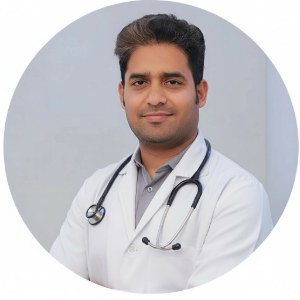
Dr. Naveen Reddy V
Neurosurgeon and Spine Surgeon
- Qualifications
- MBBS, DNB (Neurosurgery)
- Specialty
- Neurosurgery, spine surgery and pain management
- Registration no.
- 63199
- OPD hours
- Monday to Saturday, 10 am to 6 pm
Questions patients ask about rehabilitation
When should rehabilitation start?
As early as it is medically safe, often within days of a stroke, injury or operation. Early therapy prevents stiffness, pressure sores and chest infections and makes the most of the brain's ability to adapt.
How long does neuro rehabilitation take?
It varies from a few weeks to many months. The fastest progress is usually in the first three to six months, but people can continue to improve for a year or longer with regular practice.
Will I recover fully?
Some people do, and many make substantial gains. The extent of recovery depends on the severity and location of the damage, age, general health and the amount of practice. It cannot be predicted with certainty.
Can stroke rehabilitation help years later?
Yes. Although the pace is slower, targeted therapy can still improve function, reduce stiffness and increase independence long after a stroke.
What is the difference between physiotherapy and occupational therapy?
Physiotherapy focuses on movement, strength, balance and walking. Occupational therapy focuses on carrying out daily activities such as dressing, cooking, writing and returning to work.
What can families do to help?
Attend therapy sessions to learn the exercises, encourage regular practice at home, allow the person to do as much as they safely can for themselves, and watch for low mood or exhaustion.
Need a neurosurgery or spine consultation?
Speak with the hospital team about appointments and available specialist consultations.
- Phone
- 040 4189 4777
- Address
- Siddarth Neuro Hospital
Mythri Nagar, Madeenaguda, Miyapur
Hyderabad, Telangana - OPD hours
- Dr. T. Siddarth Reddy: Monday to Saturday, 11 am to 8 pm
Dr. Naveen Reddy V: Monday to Saturday, 10 am to 6 pm - Emergency
- Emergency room and emergency stroke care unit open 24 hours, 7 days a week
- Accreditation
- NABH accredited hospital, NABL accredited laboratory
Further reading
- World Health Organization: Rehabilitation
- NHS: Stroke recovery
- National Institute of Neurological Disorders and Stroke: Post-Stroke Rehabilitation
Medically reviewed by Dr. Naveen Reddy V, Neurosurgeon and Spine Surgeon (MBBS, DNB (Neurosurgery)), on 19 November 2026.
This page gives general information for patients and families. It is not a diagnosis and does not replace a consultation. Symptoms alone cannot confirm a condition, and treatment depends on an individual assessment by a qualified doctor.